
Introduction
Mauritius, a tropical paradise located in the Indian Ocean, is renowned for its stunning beaches, vibrant culture, and high quality of life. With its stable political environment, favorable tax policies, and welcoming attitude towards expatriates, Mauritius has become an attractive destination for retirees from around the world. This guide explores the key aspects of retiring in Mauritius, including visa requirements, cost of living, healthcare, real estate options, and lifestyle considerations.
Visa Requirements for Retirees
Residence Permit for Retired Non-Citizens
Mauritius offers a specific residence permit for retired non-citizens, making it relatively straightforward for foreigners to settle on the island. The main requirements and conditions for obtaining this permit include:
- Age Requirement: Applicants must be at least 50 years old.
- Financial Requirements:
- Initial Transfer: Applicants must transfer at least USD 1,500 per month or a minimum total of USD 18,000 annually to a local Mauritian bank account.
- Three-Year Commitment: This financial commitment must be maintained for the duration of the initial three-year permit period.
- Renewal: To renew the permit after three years, retirees must demonstrate that they have transferred the required funds annually.
- Application Process:
- Documentation: Applicants need to submit various documents, including proof of age, bank statements, a valid passport, and medical insurance.
- Processing Time: The application process usually takes a few weeks, but it is advisable to start the process well in advance of the planned move.
Permanent Residence Permit
After holding a residence permit for three years, retirees may apply for a permanent residence permit. This allows them to stay in Mauritius indefinitely, provided they continue to meet the financial requirements.
Cost of Living
Housing
- Rent: Rental prices vary depending on location and property type. In popular coastal areas like Grand Baie or Tamarin, a two-bedroom apartment can cost between USD 700 to USD 1,500 per month. In less touristy areas, rents are generally lower.
- Purchasing Property: Foreigners can purchase property under specific schemes such as the Integrated Resort Scheme (IRS), Property Development Scheme (PDS), and Ground Floor + 2 (G+2) regulation. Prices for these properties start at around USD 375,000.
Utilities and Services
- Electricity, Water, and Gas: Monthly utility bills typically range from USD 50 to USD 150, depending on usage and property size.
- Internet and Phone: High-speed internet costs around USD 30 to USD 50 per month. Mobile phone plans are also affordable, with various options available from local providers.
Groceries and Dining
- Groceries: A monthly grocery bill for a couple can range from USD 300 to USD 600, depending on lifestyle and dietary preferences.
- Dining Out: Mauritius offers a wide range of dining options, from street food to high-end restaurants. A meal at a mid-range restaurant typically costs between USD 10 to USD 30 per person.
Transportation
- Public Transport: The island has a network of buses that are affordable but may not be the most convenient for all retirees. Monthly bus passes cost around USD 25.
- Car Ownership: Many retirees prefer to own a car for greater flexibility. Second-hand cars are available at reasonable prices, and the cost of fuel is comparable to global averages.
Healthcare
Quality of Healthcare
Mauritius boasts a robust healthcare system with both public and private healthcare facilities. The quality of healthcare is generally high, particularly in private clinics and hospitals, which offer modern equipment and well-trained medical professionals.
Health Insurance
While public healthcare is available, many retirees opt for private health insurance to access private facilities and ensure comprehensive coverage. Various international and local insurers offer plans tailored to expatriates, with premiums varying based on coverage and age.
Medical Facilities
- Public Hospitals: Free or low-cost services, but can be crowded and may have longer waiting times.
- Private Clinics: Higher standard of care, shorter waiting times, and a wider range of services, but at a higher cost.
Real Estate Options
Integrated Resort Scheme (IRS)
- Description: Luxury villas and apartments within resort-style developments.
- Price Range: Starting at USD 375,000.
- Benefits: High-end amenities, secure living environments, and eligibility for a residence permit.
Property Development Scheme (PDS)
- Description: Diverse residential properties, including villas, apartments, and townhouses, often with integrated commercial and leisure components.
- Price Range: Varies, but properties sold to non-citizens typically start at USD 375,000.
- Benefits: Greater flexibility and the potential for mixed-use developments.
Ground Floor + 2 (G+2) Regulation
- Description: Apartments in buildings of at least two floors above the ground floor.
- Price Range: More affordable than IRS and PDS properties.
- Benefits: Accessibility, urban living, and eligibility for a residence permit if the investment exceeds USD 375,000.
Other Options
- Renting: A viable option for those who prefer not to purchase property. Various rental options are available to suit different budgets and preferences.
- Long-Term Leasing: Some retirees opt for long-term leases, providing stability without the commitment of purchasing property.
Lifestyle Considerations
Climate and Natural Beauty
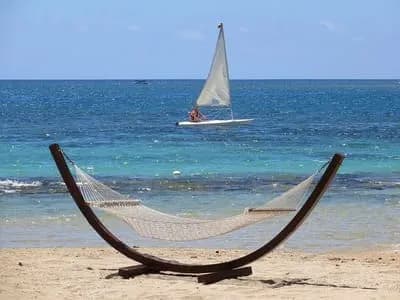
Mauritius enjoys a tropical climate with warm weather year-round, making it an ideal destination for retirees seeking a sunny, outdoor-oriented lifestyle. The island's natural beauty, including pristine beaches, lush forests, and vibrant coral reefs, offers endless opportunities for relaxation and exploration.
Cultural Diversity
Mauritius is a melting pot of cultures, with a rich tapestry of traditions, languages, and cuisines. This cultural diversity is reflected in the island's festivals, religious practices, and daily life, providing retirees with a unique and enriching experience.
Activities and Leisure
- Outdoor Activities: Retirees can enjoy a wide range of outdoor activities, such as golfing, sailing, snorkeling, hiking, and fishing.
- Social Clubs and Organizations: Various clubs and organizations cater to expatriates, offering social events, recreational activities, and support networks.
- Volunteering: Opportunities to volunteer with local charities and community organizations allow retirees to give back and stay engaged.
Safety and Security
Mauritius is known for its low crime rate and safe living environment. The island's friendly and welcoming atmosphere makes it a comfortable place for retirees to settle.
Cost of Living
While the cost of living in Mauritius can vary depending on lifestyle choices, it is generally lower than in many Western countries. Retirees can enjoy a high standard of living without the financial pressures often associated with retirement in more expensive destinations.
Integration and Language
- Language: English is the official language, and French is widely spoken, making it easy for English-speaking retirees to communicate and integrate.
- Integration: The local population is known for its hospitality and openness towards foreigners, which facilitates integration into the community.
Conclusion
Retiring in Mauritius offers a blend of natural beauty, cultural richness, and a high quality of life, making it an attractive option for foreign retirees. With its favorable visa policies, affordable cost of living, excellent healthcare, and diverse real estate options, Mauritius provides a welcoming and supportive environment for those looking to enjoy their golden years in a tropical paradise. By carefully considering the visa requirements, cost of living, healthcare, real estate options, and lifestyle considerations, retirees can make an informed decision about making Mauritius their retirement destination.