
Introduction
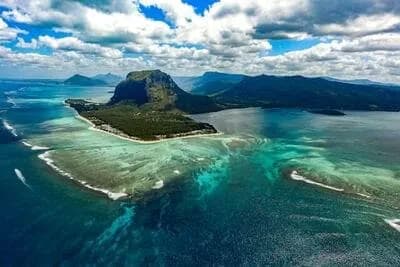
Mauritius, an island nation in the Indian Ocean, is known for its stunning beaches, vibrant culture, and unique blend of ethnicities. The country's natural beauty, coupled with its stable political environment and growing economy, makes it an attractive destination for both tourists and expatriates. This guide delves into various aspects of living in Mauritius, including its lifestyle, cost of living, culture, and practical information for those considering making the move.
Geography and Climate
Mauritius is located about 2,000 kilometers off the southeast coast of Africa. The island is surrounded by coral reefs, which create beautiful lagoons and protect its pristine beaches. The country enjoys a tropical climate, with warm, humid summers from November to April and cooler, dry winters from May to October. The average temperature ranges from 20°C (68°F) in winter to 28°C (82°F) in summer. Cyclones can occur between January and March, but the island's infrastructure is well-prepared to handle such events.
Cost of Living
Housing
Housing in Mauritius varies widely in price depending on location and type. In popular expat areas such as Grand Baie, Tamarin, and Black River, rent for a two-bedroom apartment can range from MUR 20,000 to MUR 50,000 (approximately USD 500 to USD 1,250) per month. In less touristy areas, the cost can be significantly lower. For those looking to purchase property, prices vary greatly but generally range from MUR 5 million to MUR 50 million (USD 125,000 to USD 1.25 million), depending on the location and amenities.
Utilities and Services
Utilities, including electricity, water, and internet, are relatively affordable. Monthly utility bills for an average household can be around MUR 3,000 to MUR 5,000 (USD 75 to USD 125). High-speed internet is widely available and costs about MUR 1,000 to MUR 2,000 (USD 25 to USD 50) per month.
Groceries and Dining
The cost of groceries in Mauritius is reasonable, with local produce being very affordable. Imported goods can be more expensive due to shipping costs. A monthly grocery bill for a family of four can range from MUR 10,000 to MUR 20,000 (USD 250 to USD 500). Dining out is also affordable, with a meal at a mid-range restaurant costing about MUR 1,000 to MUR 2,000 (USD 25 to USD 50) per person.
Lifestyle and Leisure
Outdoor Activities
Mauritius is a paradise for outdoor enthusiasts. The island offers a plethora of activities, from water sports like snorkeling, scuba diving, and kite surfing to hiking in its lush, mountainous interior. Black River Gorges National Park is a favorite spot for hikers, offering trails that lead through dense forests to stunning viewpoints and waterfalls.
Beaches
The beaches in Mauritius are among the best in the world. Trou aux Biches, Belle Mare, and Le Morne are just a few of the many pristine beaches where residents can relax, swim, and enjoy the tropical sun. These beaches are often less crowded than those in more tourist-heavy destinations, providing a tranquil environment for relaxation.
Cultural Attractions
Mauritius is a melting pot of cultures, with influences from Africa, India, China, and Europe. This diversity is reflected in the island’s festivals, cuisine, and architecture. The capital city, Port Louis, is home to several museums, including the Blue Penny Museum and the Natural History Museum, which offer insights into the island's rich history and culture. The Aapravasi Ghat, a UNESCO World Heritage site, is a must-visit for those interested in the history of indentured labor in Mauritius.
Healthcare and Education
Healthcare
Mauritius boasts a high standard of healthcare, with both public and private hospitals available. The public healthcare system provides free services to residents, but private hospitals offer more advanced facilities and shorter waiting times. Popular private hospitals include Apollo Bramwell Hospital and Wellkin Hospital, which are well-equipped and staffed by highly qualified professionals.
Education
The education system in Mauritius is modeled on the British system and is known for its high standards. There are numerous public and private schools available, as well as international schools that follow the British, French, and International Baccalaureate (IB) curricula. The University of Mauritius and other higher education institutions offer a wide range of undergraduate and postgraduate programs.
Work and Business
Employment Opportunities
The Mauritian economy is diverse, with key industries including tourism, textiles, financial services, and information and communication technology (ICT). The government has also been promoting the island as a hub for renewable energy and biotechnology. Expats with skills in these sectors are in demand, and the process of obtaining a work permit is relatively straightforward.
Starting a Business
Mauritius is known for its business-friendly environment. The World Bank ranks Mauritius highly for ease of doing business. The government offers several incentives to foreign investors, including tax benefits and a streamlined process for setting up companies. The Board of Investment (BOI) provides support and guidance for those looking to start a business in Mauritius.
Culture and Society
Festivals and Celebrations
Mauritius celebrates a variety of festivals that reflect its multicultural heritage. Diwali, Eid, Chinese New Year, and Christmas are all celebrated with enthusiasm. The island also hosts several unique festivals, such as the Cavadee, a Tamil festival, and the Mauritian International Kreol Festival, which celebrates Creole culture through music, dance, and food.
Language
The official language of Mauritius is English, but French is widely spoken and is the language of the media and commerce. Mauritian Creole, a French-based creole language, is the most commonly spoken language among locals. This multilingual environment makes it easy for expatriates to adapt and communicate.
Cuisine
Mauritian cuisine is a reflection of its diverse culture, combining Indian, Chinese, African, and French influences. Popular dishes include dholl puri (a type of flatbread filled with split peas), boulettes (dumplings), and rougaille (a tomato-based sauce often served with fish or meat). The island’s street food scene is vibrant, offering a variety of affordable and delicious options.
Transportation
Public Transport
Mauritius has a well-developed public transportation system, including buses that connect major towns and cities. The bus network is extensive and affordable, but services can be infrequent, especially in rural areas.
Driving
Many expatriates choose to drive in Mauritius. The island has a good network of roads, and driving is on the left-hand side. Renting or buying a car is relatively straightforward, and there are numerous car rental companies available. It's important to note that traffic can be heavy during peak hours, particularly in and around Port Louis.
Practical Information
Visas and Residency
Mauritius offers several visa options for expatriates, including tourist visas, work permits, and permanent residency permits. The process for obtaining a visa is generally straightforward. For those looking to retire in Mauritius, the country offers a retirement visa for individuals over the age of 50 with a minimum monthly income requirement.
Safety and Security
Mauritius is considered a safe country with low crime rates. Petty crime, such as pickpocketing, can occur in tourist areas, but violent crime is rare. The local police are approachable and responsive, and there is a strong sense of community security.
Conclusion
Living in Mauritius offers a unique blend of natural beauty, cultural richness, and modern amenities. The island's diverse culture, high standard of living, and welcoming environment make it an ideal place for expatriates looking for a change of pace. Whether you are drawn to its stunning beaches, vibrant culture, or business opportunities, Mauritius has something to offer everyone.
From the affordable cost of living to the excellent healthcare and education systems, the island provides a comfortable and fulfilling lifestyle. Its strategic location, stable political environment, and growing economy further enhance its appeal as a place to live, work, and invest. For those considering making Mauritius their home, the island promises an enriching and enjoyable experience.